Vape battery life: how to make it last longer
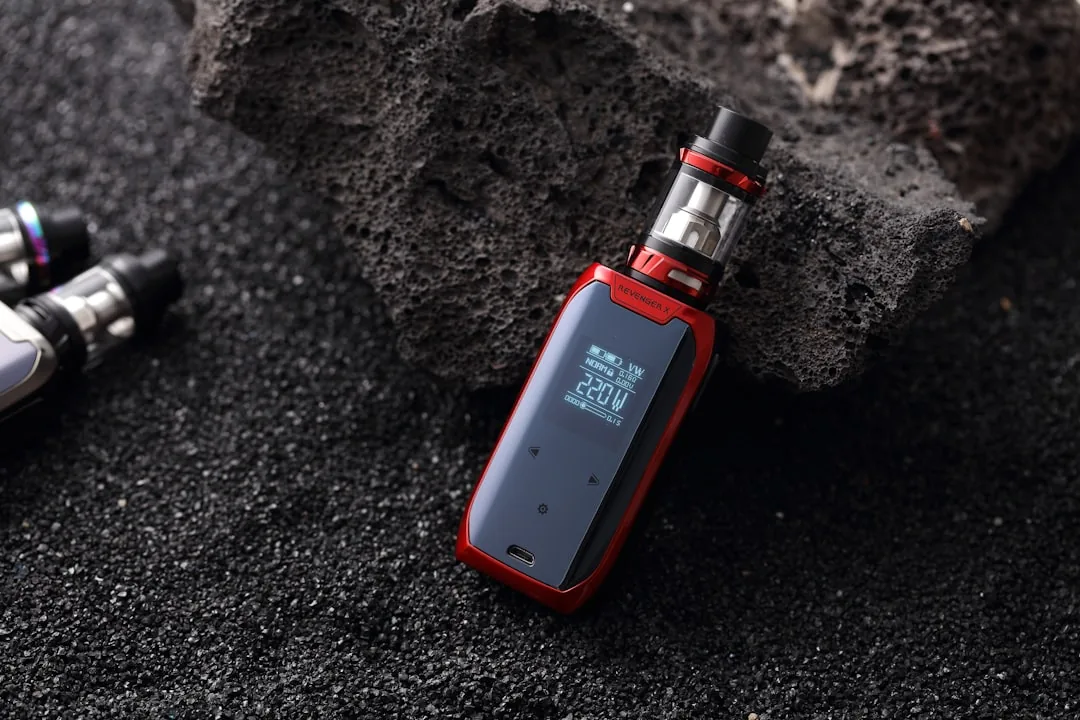
Getting through a full day without hunting for a socket is the quiet ambition of almost every vaper. Vape battery life is not a fixed property of the device you bought, though: it is the result of how you set it, how you treat it and how you charge it. Most people can claw back meaningful hours without spending anything, and the same habits that stretch a single day also stretch the working life of the cell by months.
What vape battery life actually depends on
A capacity figure in milliamp hours describes a reserve, not a duration. How long that reserve lasts depends entirely on the rate you empty it at, which is why two people with identical devices report wildly different results.
Output setting is the dominant factor by a distance. The higher the power you ask the device to deliver, the more current it draws from the cell for every second of every puff, and the reserve falls away accordingly.
Coil resistance works alongside it. A low-resistance sub-ohm build asking for a lot of power will empty a cell far faster than a tighter mouth-to-lung setup, at exactly the same capacity. The way you draw matters too, since long puffs and rapid chain vaping compound both effects.
The settings that buy back hours
The most immediate lever is also the least popular: come down the power range. Dropping a few watts below where you have settled usually costs less in flavour than people expect and returns a noticeable stretch of running time, particularly on tighter draws.
Coil condition is the underrated second lever. A tired or partly gunked coil delivers less for the same energy, which quietly pushes people to raise the power to compensate and drains the cell twice as fast. Replacing it restores both the flavour and the running time.
Then there are the small drains that add up. Screens and backlights consume energy every time they wake, standby draw is never quite zero, and a device left switched on in a pocket can be fired accidentally for whole minutes at a time. Locking or switching off a device you are not using is free vape battery life.
Temperature, the factor British weather makes real
Lithium cells dislike extremes at both ends, and the United Kingdom serves up both. A device left on a car dashboard through a summer afternoon is being aged, not just warmed, because heat is the single largest accelerator of cell degradation.
Cold is subtler but immediate. A cell taken out into a genuinely cold morning delivers less than it would indoors, which reads as a device that has suddenly gone flat. Warmth usually restores most of it, so it is worth checking before assuming the battery has died.
The practical rule is to keep hardware at ordinary room temperature wherever you can. Not on a radiator, not on a sunny windowsill, not in a glovebox overnight in winter.
Charging habits that protect the reserve
Lithium chemistry prefers regular partial top-ups to deep discharges, so plugging in before the device is completely flat is better for the cell than running it to nothing every time. Leaving it plugged in long after it is full brings nothing back either.
The cable and the plug deserve more attention than they get. A poor cable or an unsuitable adapter produces heat instead of a faster charge, and heat is precisely what you are trying to avoid. The full routine sits in our guide on how to charge a vape.
Storage follows the same logic. A device or a spare cell put away for weeks should not be left completely empty, and it should not be left baking somewhere warm either.
What the British market changes about vape battery life
Since single-use vapes stopped being sold across the United Kingdom, every vaper here depends on a rechargeable cell, so the question has moved from a niche concern to something that shapes the daily routine of the entire market.
British hardware rules push in the same direction. With tanks and pods capped at two millilitres and nicotine-containing e-liquid at twenty milligrams per millilitre, devices are refilled often and kept a long time, which puts the emphasis squarely on the endurance of the cell rather than on the tank.
The consequence is that whether your device uses a sealed cell or a removable one changes your options when the reserve runs out, and that trade-off is set out in full in our comparison of a built-in or removable battery.
The method for cells, and the numbers nobody should give you
If you use removable cells, one habit outranks every energy-saving tip here. Find the datasheet published by the company that actually manufactured the cell, for that exact reference, and read the line giving the continuous discharge current.
Never read it off the wrap. Rewrapped cells are common, the sleeve is applied by a distributor rather than the maker, and a printed claim is not a measurement. No build value, output or charging rate is presented in this article as safe, and any source offering you one should be treated with suspicion.
Around that method sit the basics that never change: cells kept matched and paired, wrap and top gasket intact, spares carried in a rigid case, a charger suited to the format and the chemistry, and recycling through a proper collection point at the first sign of doubt. All of it is developed further in our guide to vape battery safety.
When it is the cell, not your habits
Every lithium cell loses usable capacity across its charge cycles, and after a long year of daily charging a noticeable drop is simply what happens. Good habits slow the curve considerably, but they do not cancel it.
The signals are consistent: the device holds less than it did, warms sooner during use, and empties faster than the same setting used to allow. At that point no adjustment will bring the hours back, and the honest answer is a replacement cell or a replacement device, a decision our guide to choosing a vape battery works through.
Frequently asked questions
What drains a vape battery fastest?
Output setting, by a clear margin. High-power airy vaping consumes far more energy per puff than a restrained mouth-to-lung setup on the same hardware.
Should I let it go flat before charging?
No. Lithium cells cope better with regular partial charges than with repeated deep discharges, which age them faster than anything else in normal use.
Does a battery lose capacity over time?
Yes, and it is entirely normal. Charge cycles and operating conditions gradually reduce what a cell holds, though careful handling slows the process a great deal.
Does cold weather really affect my device?
It does. A cell delivers less in genuinely cold conditions, so a device that seems flat outdoors may recover once it returns to room temperature.
Is it worth vaping while the device charges?
It is better avoided. Drawing power while charging adds heat, and heat is the one thing that reliably shortens the working life of a cell.
Bringing it together
Improving vape battery life is unglamorous work: come down the power range a little, keep a fresh coil in the tank, lock the device when it is in a pocket, and keep the whole thing out of both the sun and the frost.
Then let the charging routine do the rest. Top up before it is empty, unplug when it is full, use a decent cable, and store it somewhere ordinary. None of it costs anything, all of it compounds, and together it is worth more to your vape battery life than any specification you could have bought instead.
Editorial content for adult readers only. Vaping products usually contain nicotine, a substance that causes addiction. Not for sale to under-18s in the United Kingdom. This article is not a buying recommendation.