Vape warranty in the UK: what really covers you
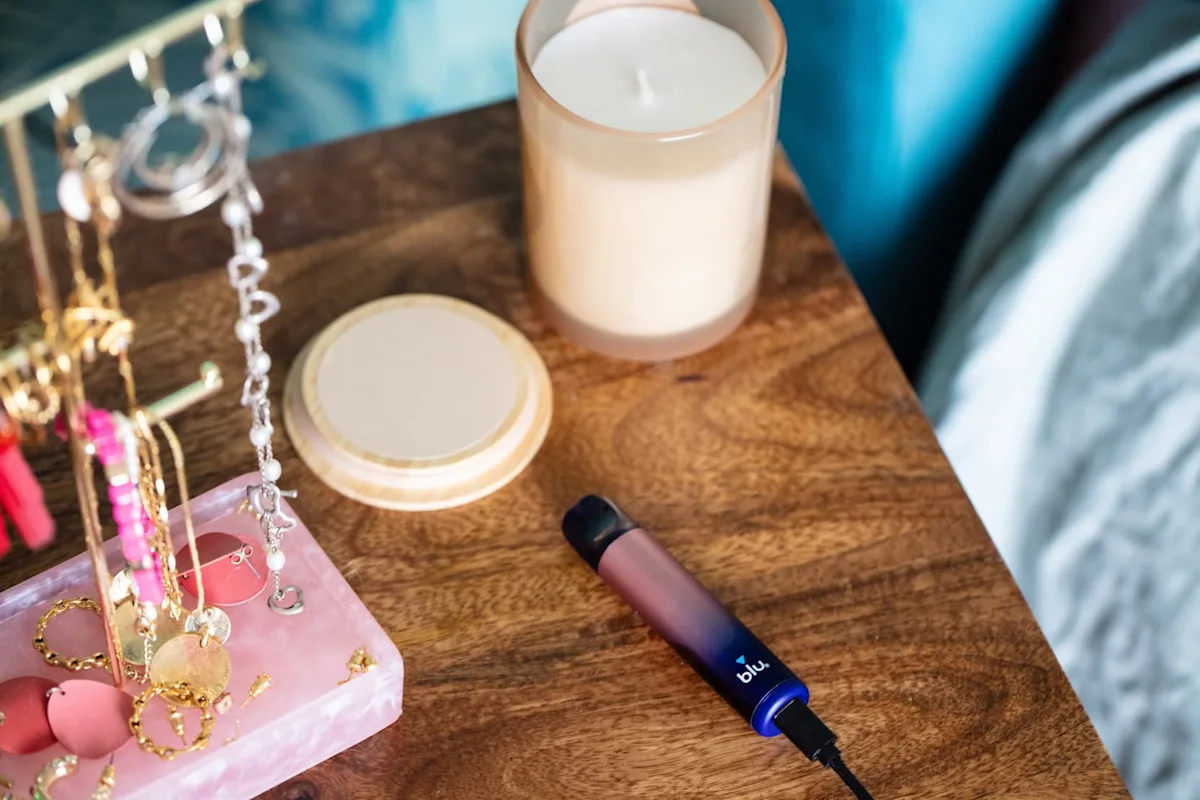
A vape is an electronic device before it is anything else: a lithium cell, an activation circuit, a charging port and a screen. When one of those stops behaving, a vape warranty is what stands between you and buying the whole thing again. British shoppers are unusually well protected here, but the protection comes from two separate places that are easy to confuse, and most people only find out which is which on the day something fails.
The statutory rights that sit under every vape warranty
Before any shop policy applies, the Consumer Rights Act 2015 already governs what you bought. Goods sold to a consumer in the United Kingdom must be of satisfactory quality, fit for purpose and as described, and those obligations sit with the retailer who took your money.
Within the first thirty days you hold a short-term right to reject. If the device is faulty, you can hand it back and ask for a full refund rather than a repair, and that is the strongest position you will ever be in.
After thirty days and up to six months, the law assumes any fault was present at delivery unless the shop can show otherwise. The retailer is entitled to one attempt at a repair or a replacement, and if that fails you can move to a refund. Beyond six months the burden shifts to you to show the fault was inherent, and claims can generally be brought for up to six years in England, Wales and Northern Ireland, or five years from discovery in Scotland.
Shop and manufacturer cover: the commercial vape warranty
On top of that legal floor, most British vape retailers publish their own policy, and this is what people usually mean by a vape warranty. The common pattern across specialist shops is six months on kits, mods and tanks from the date of delivery, with some sellers extending twelve months to higher-end devices.
These commercial terms are an addition, never a replacement. A six-month shop warranty cannot cancel your statutory position, so a device failing in month eight is not automatically your problem just because the policy has run out.
Read what the policy excludes, because that is where the real differences live. Coils, pods, cartridges, glass sections and e-liquid are treated as consumables almost everywhere, and loose cells are frequently excluded outright or given a much shorter window than the device they power.
Why the battery is where most claims begin
The cell is the component that ages fastest and the one most claims concern. A lithium battery loses usable capacity across its charge cycles, so a device that holds noticeably less after a long year of daily charging is showing wear rather than a defect, and wear is not covered anywhere.
A device that collapses after a few weeks is a different matter entirely. Sudden capacity loss, a port that stops charging, a fire button that stops responding or a cell that grows warm out of proportion to use all point at a fault present from the start, which is exactly what the statutory route is designed for.
That distinction is worth understanding before you buy, because the power system you pick shapes the outcome. Sealed cells go back to the retailer as part of the device, while removable ones are usually handled as separate items with their own rules, a difference we set out in our guide to choosing a vape battery.
The method for cells, which no warranty replaces
No cover of any kind excuses you from handling cells properly, and nothing in this article should be read as a set of safe numbers. The method is to find the datasheet published by the company that manufactured the cell, for that exact reference, and read the line giving the continuous discharge current.
Never take that figure off the wrap. A wrap is a printed sleeve, often applied by a distributor rather than the manufacturer, and rewrapped cells circulate widely. The number printed on the outside is marketing, and the datasheet is evidence.
The rest is unchanging: matched and paired cells, wrap and top gasket intact, spares carried in a rigid case, a charger suited to the format and the chemistry, and recycling through a proper collection point at the first sign of doubt. A cell damaged through misuse is outside any vape warranty, and rightly so, which is another reason the routine in our guide to vape battery safety is worth keeping.
Where you buy decides how easy the claim is
Statutory rights follow the seller, so who that seller actually is matters more than any badge on the listing. Buying from a British retailer, whether a high-street shop or an established online specialist, gives you a company inside the jurisdiction with an obligation it cannot contract out of.
Third-party marketplace listings complicate this considerably. The trader is often the individual seller rather than the platform, and if that trader sits outside the United Kingdom your practical remedy shrinks a great deal even where your rights technically remain.
Buying direct from a manufacturer is the other reliable route, since the same statutory obligations apply and the support team knows its own hardware. What you should avoid is second-hand purchases from private individuals, where the satisfactory quality rules do not apply in the same way at all.
Making a claim that actually goes through
Keep the proof of purchase. An order confirmation, a card statement or an emailed receipt establishes both the date and the seller, and without one you are arguing from memory.
Keep the box and the supplied cable too. Shops routinely ask for a device to be returned complete, and a charging fault is difficult to assess when the original cable has been lost. Describe the fault plainly, say when it started, and state which remedy you want.
Finally, rule out the obvious first, because a shop will. A dirty contact, a tired coil or an unsuitable plug produces symptoms that look like a hardware failure and are not, and the checks in our guide on how to charge a vape settle most of them in a few minutes.
Frequently asked questions
How long is a vape warranty in the UK?
Shop policies commonly run six months, sometimes twelve on premium devices. Your statutory rights against the retailer last far longer and are not limited by that policy.
Does the warranty cover coils and pods?
Almost never. Coils, pods, cartridges and e-liquid are treated as consumables, so they are excluded from cover unless they arrived faulty in the first place.
Who do I claim from, the shop or the manufacturer?
Your legal claim is against the retailer who sold you the device. A manufacturer scheme can be used alongside it, but the shop cannot redirect you to avoid its own obligation.
Is a battery losing capacity a valid fault?
Gradual capacity loss over months of daily charging is normal wear and is not covered. A sharp, early collapse in what the device holds is a different matter and is worth raising.
What if I bought from an overseas seller?
Your rights are much harder to enforce in practice. Returns become slow and expensive, and the trader may sit outside any authority a British consumer body can reach.
What to take away
A vape warranty in the United Kingdom is really two layers. The statutory floor set by the Consumer Rights Act is the one that carries weight, and the shop policy printed on the website is a useful addition that sits on top of it rather than in place of it.
Buy from a seller inside the jurisdiction, keep the receipt and the packaging, and learn to tell battery wear from battery failure. Do those three things and a vape warranty stops being small print and becomes something you can actually use on the day the device lets you down.
Editorial content for adult readers only. Vaping products usually contain nicotine, a substance that causes addiction. Not for sale to under-18s in the United Kingdom. This article is not a buying recommendation.